
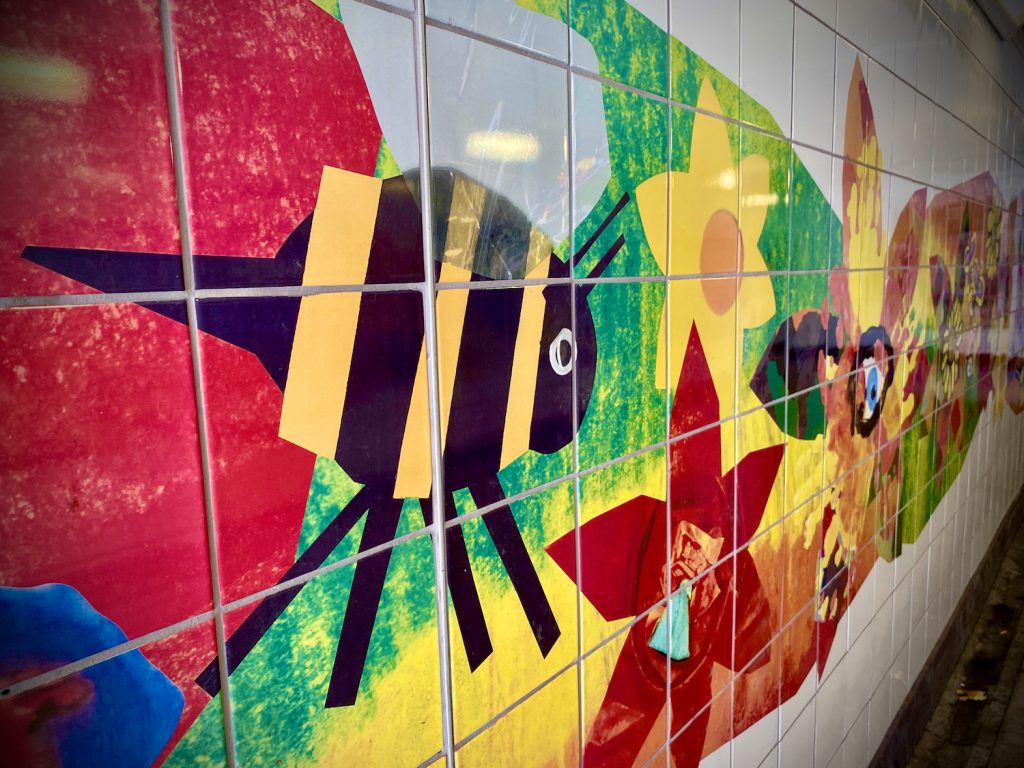
I set myself a deceptively simple challenge: to spend a single summer’s day photographing as many species of bumblebee as possible.
What unfolded was less a straightforward wildlife hunt and more an eye-opening exploration of how our landscapes, natural and urban, shape the lives of pollinators.
PODCAST: 30 minutes
Starting in fields near woodland on a warm, calm morning, the early signs weren’t promising. Despite seemingly rich vegetation, there were almost no bees. The culprit quickly became clear: a lack of flowering plants. In a hot, dry summer, many species had already gone over, leaving little nectar behind.
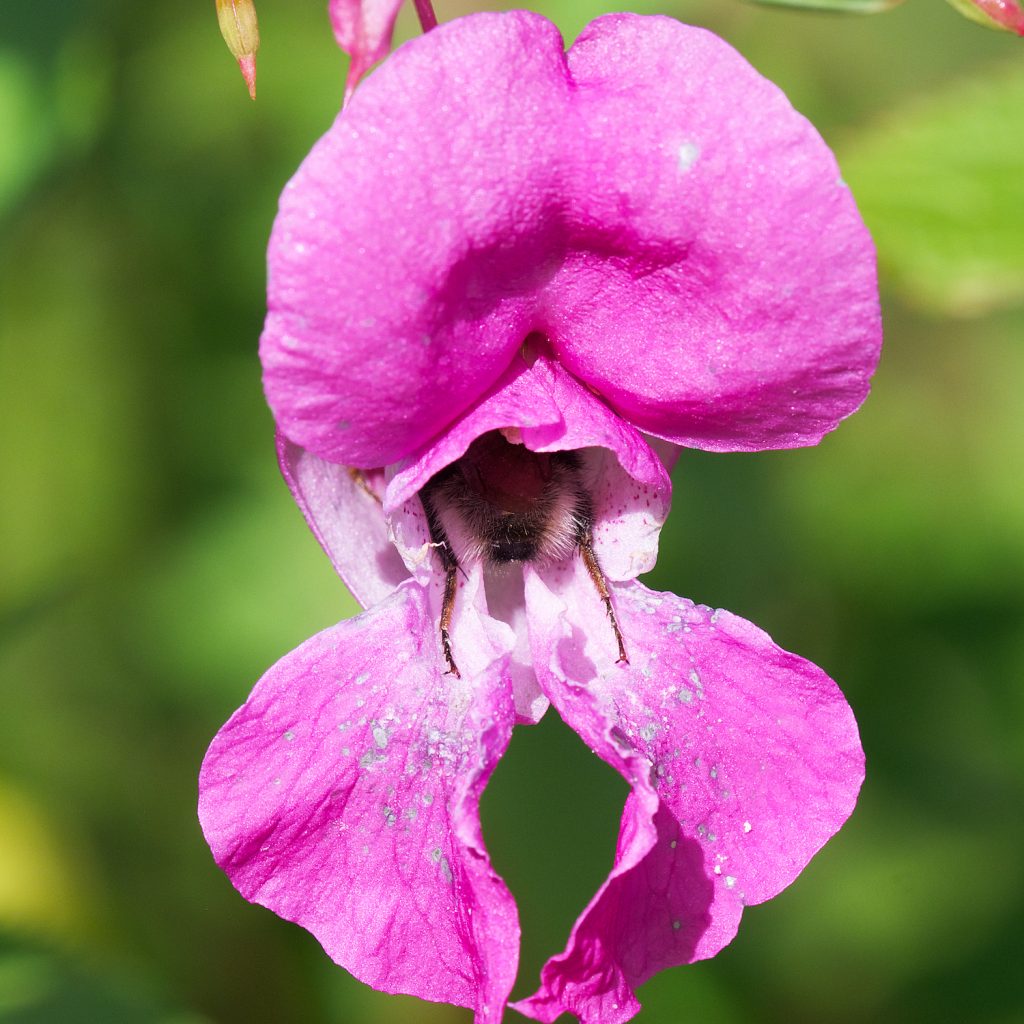
The first real success came from an unlikely hero – Himalayan balsam. Invasive though it may be, it was buzzing with activity. Yet even here, photographing bees proved tricky, as they disappeared deep into the flowers.
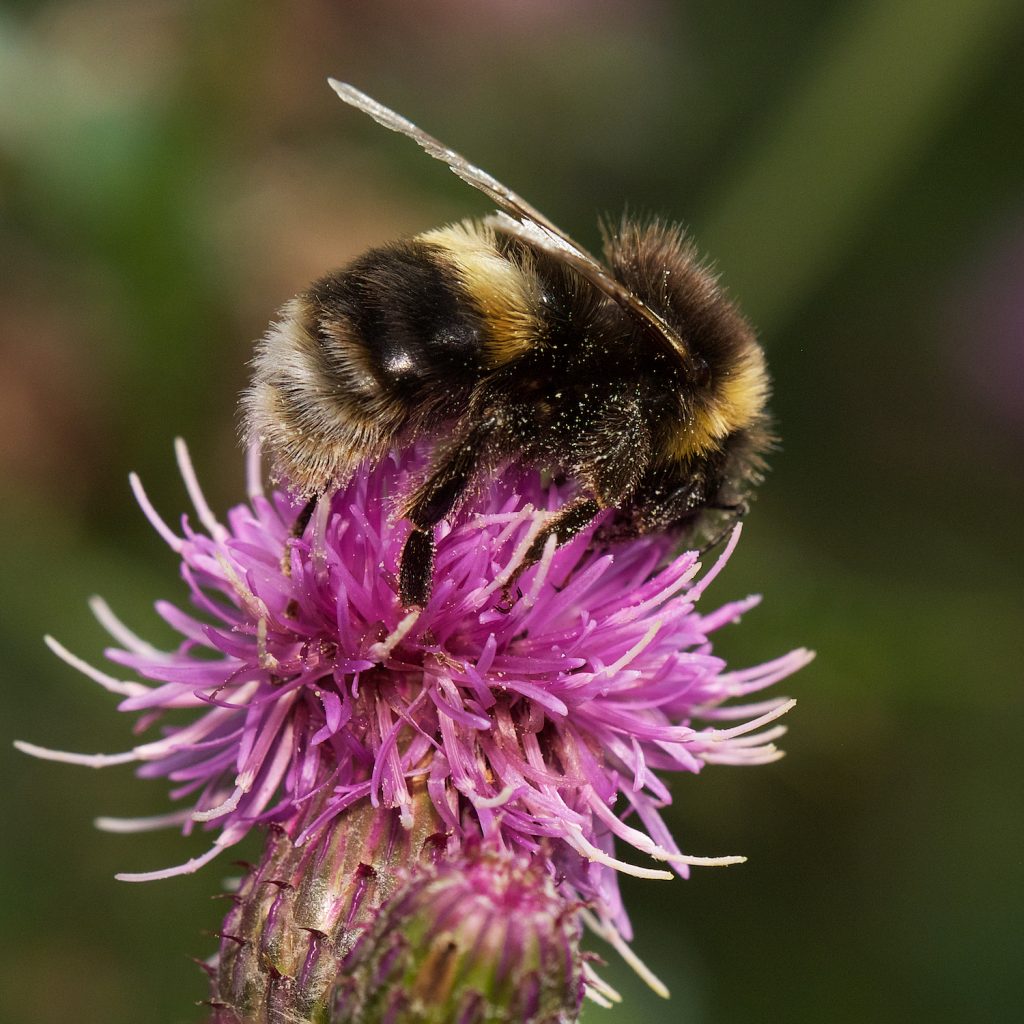
Moving on to thistles brought better results, with more visible and varied bumblebees, reinforcing the importance of plant choice for both bees and photographers.
A visit to Silverdale Country Park revealed a surprising gap: vast natural spaces with very little in bloom. Despite their size and ecological intent, these areas offered limited resources for pollinators during dry conditions.
Ironically, the most productive location came late in the day, in an urban roundabout. Municipal planting schemes, packed with nectar-rich flowers, attracted more bees in 20 minutes than hours in the countryside.
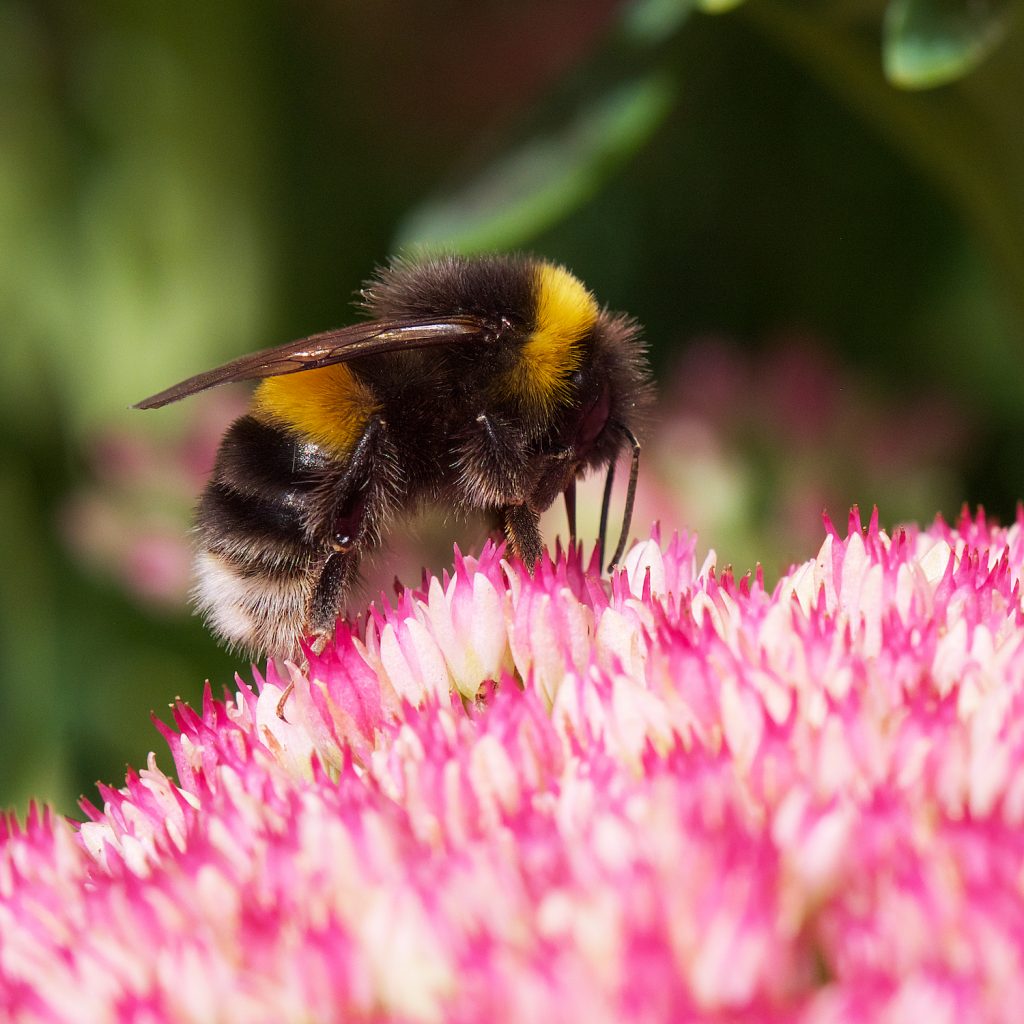
By day’s end, nearly 10 miles walked, I had captured around five species. More importantly, I’d uncovered a key lesson: thoughtful planting, even in small urban spaces, can make a significant difference.
Supporting pollinators isn’t just about preserving wild areas, it’s about planting smarter, mowing less, and creating habitats that truly provide.
Jerome