
Category: Podcasts

  • Want to collaborate?

    A collage of red icons representing various digital media services including photography and podcast production

    There’s a common question I get asked: what exactly do you do?

    The honest answer is… a few things. I’m a documentary photographer. I host and produce podcasts. I write.

    But the real answer is that I bring these together to tell fuller, more human stories.

    Because one medium on its own can only go so far.

    – A photograph can stop you in your tracks.
    – A conversation can reveal what sits beneath the surface.
    – Well-crafted words can give context, clarity, and lasting meaning.

    When these come together, something more powerful happens, stories that feel authentic, layered, and genuinely reflective of the people and communities at their heart.

    Much of my work has been alongside charities, community organisations, and purpose-driven projects. The aim is always the same: to represent people honestly, with care and respect, and to create media that doesn’t just look good, but actually connects.

    That might mean documenting a project over time, producing a podcast that gives people a voice, or creating written pieces that help audiences understand why the work matters.

    I’m particularly interested in collaborations where there’s a story worth telling, especially those rooted in community, culture, or positive change.

    If you’re part of an organisation, business, or project and you think there might be something we could create together, I’d genuinely love to hear from you. No hard sell. Just a conversation to see what’s possible.

    Jerome

    Get in touch anytime: hello@jeromew.news
    PODCAST UPDATE: 2 minutes

  • PODCAST: Regaining joy in life

    Angela Peake’s journey into coaching is rooted in lived experience, resilience and a deep understanding of the pressures within healthcare.

    In this candid conversation, she reflects on an early diagnosis of kidney disease that reshaped her ambitions, leading her into a nursing career she “loved from day one”.

    PODCAST: 45 minutes

    Angela shares frontline insights from years in medical wards and research, highlighting both the rewards of patient care and the growing strain caused by systemic pressures. A turning point came when her own health challenges intensified – dialysis, two transplants, and raising a premature son – forcing her to step back and reassess her path.

    The pandemic became a catalyst for change. While shielding as clinically vulnerable, Angela discovered coaching and began retraining, eventually founding AMP Coaching & Consulting Ltd. Her work now focuses on supporting healthcare professionals and individuals living with long-term conditions, with an emphasis on preventing burnout and recognising early warning signs such as frustration, emotional exhaustion and loss of focus.

    She speaks openly about “losing joy” as a common thread among clients, and explains how her approach – grounded in trust, confidentiality and self-awareness – helps people reconnect with what matters. From small daily gratitudes to deeper behavioural change, Angela’s work bridges personal transformation and wider systems thinking.

    Ultimately, success for Angela is about impact: helping others rediscover purpose, improve relationships and realise that change is possible – at any stage of life.

    Contact Angela:

    Email: hello@ampcc.co.uk

    Mobile: 07359 917844

    LinkedIn: AMP Coaching & Consulting Ltd

    #SponsoredContent – This episode & blog post was commissioned by Angela.

  • GRAB5 – Mark Edmonds, artist

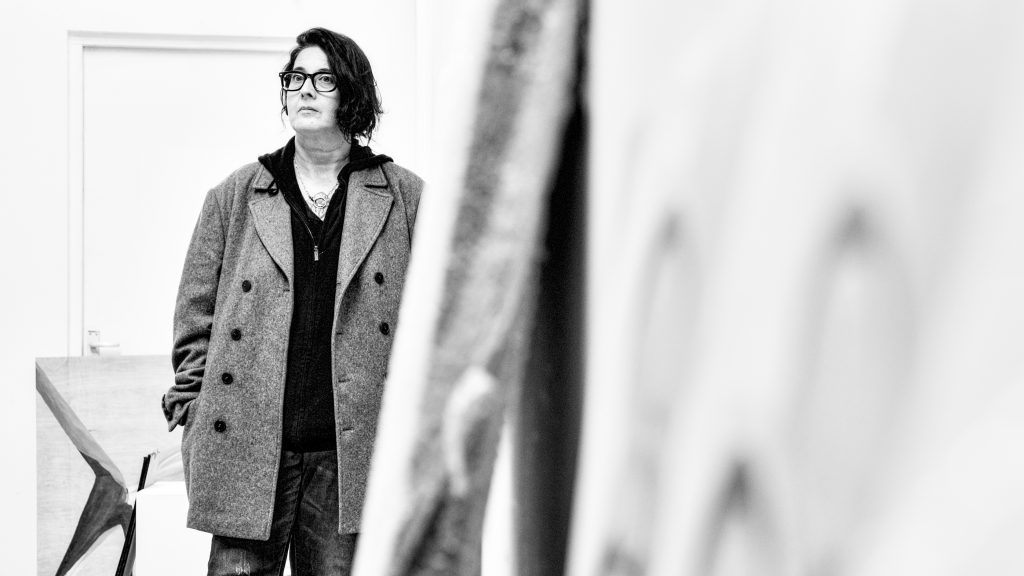
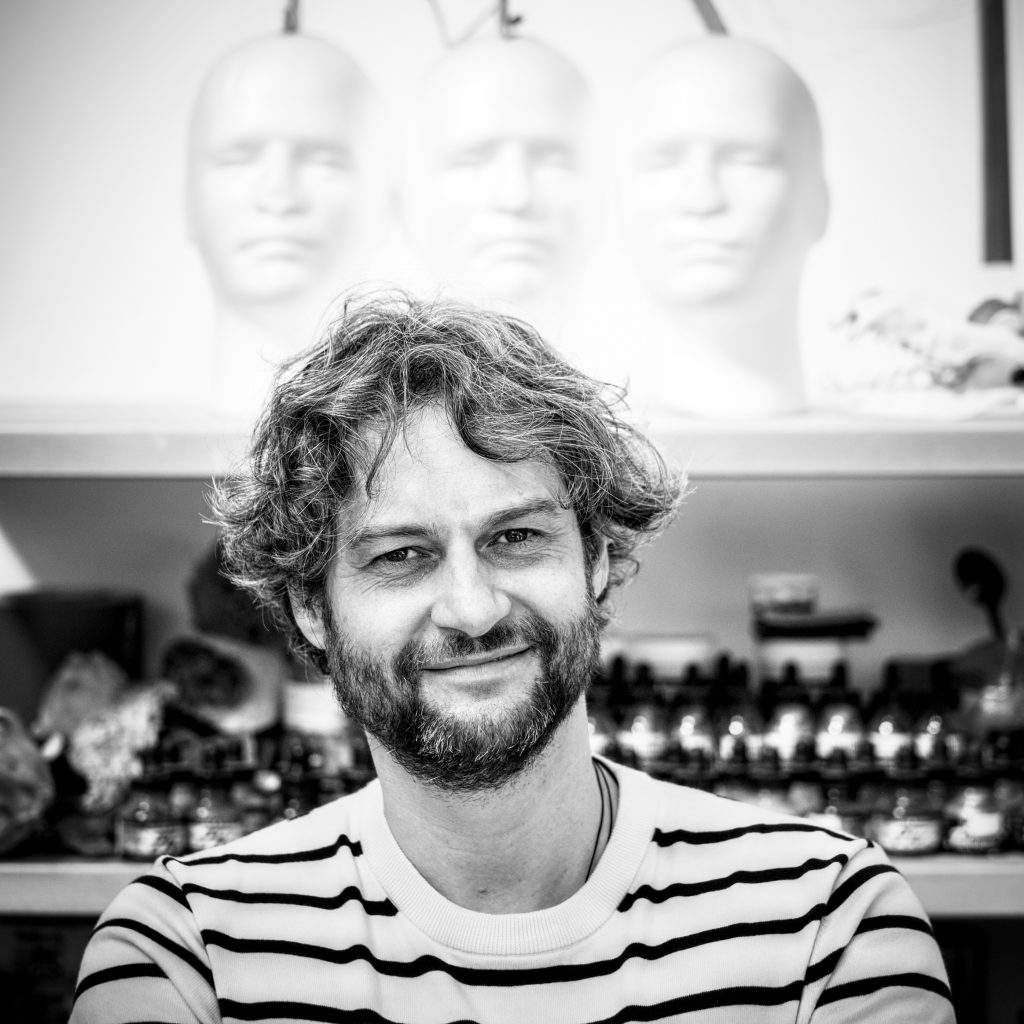
    Mark Edmonds, artist, in his studio in Stoke
    Mark Edmonds, artist, Stoke. Photo © Jerome Whittingham.

    I grabbed 5 minutes with artist Mark Edmonds, in his studio at ACAVA Spode Works, Stoke.

    PODCAST: 5 minutes

    Mark on art:

    “I think sometimes, yeah, essentially what’s happening is someone’s presenting their world view, or maybe just a view on a small issue, or it may be just a general perspective on something that’s a little bit different, and then you’re, essentially, it’s reality testing, that concept, or sometimes it’s injecting some much needed humility into a topic or, you know, just some contrary discussion or whatever.”

    Mark Edmonds

    Instagram: @markedmondsart

  • A crafty Place of Welcome

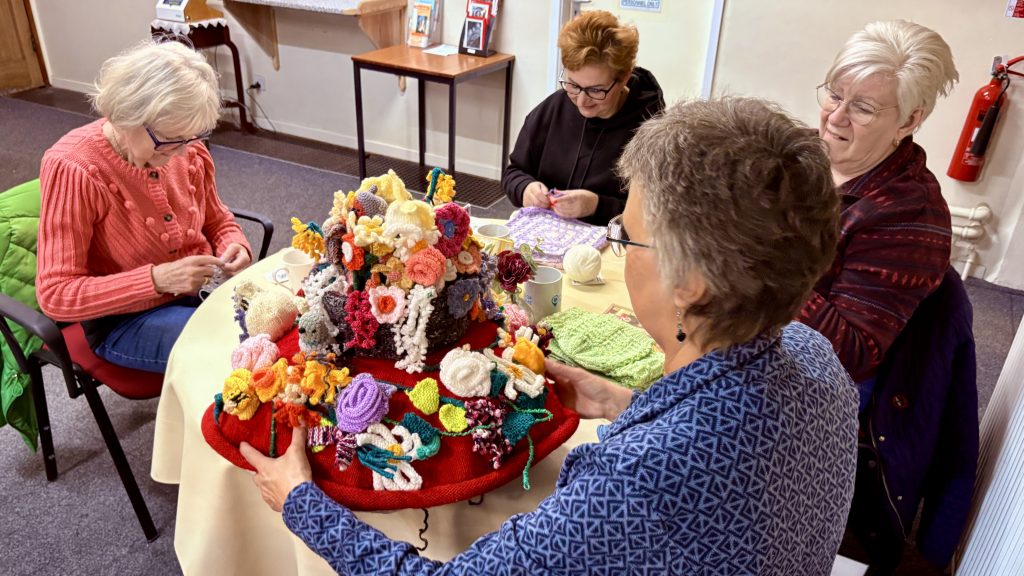
    I called in to Stoke Minster – a Place of Welcome – across Thursday lunchtime. I wanted to catch up with a little group who’ve been meeting together as new friends to get crafting.

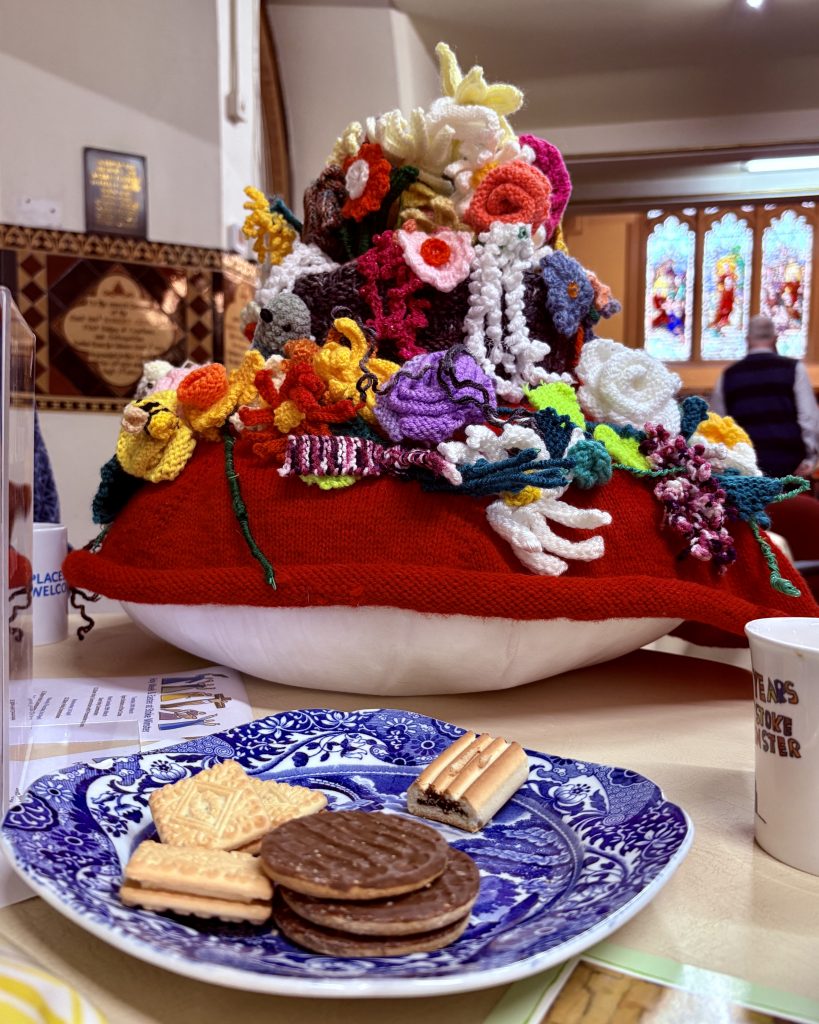
    They’re making a woolly postbox ‘topper’ to celebrate Mothering Sunday in mid March.

    Heather, and members of the group, told me what they’ve been up to.

    PODCAST: 5 minutes

    The Minster is open every Thursday lunchtime, 12 noon to 2pm, and you’re very welcome to call in for a brew, to take a look around, to chat, or even to sit alone and ponder – crafting’s not obligatory!

    The crafters’ postbox topper, and a few nibbles too.

    Instagram: @stoke_minster

  • Embracing wonkiness builds creative confidence, says artist Amy Davis

    Artist Amy Davis is on a quest to help people embrace wonkiness and imperfection in their creative pursuits.

    Artist Amy Davis, Stoke. © Jerome Whittingham.

    Amy’s recently been using some mini potters wheels, and making tiny wonky pots. She explains how these ‘toy’ potters wheels are helping her and others to learn to play with clay again, building creative confidence.

    PODCAST: 15 minutes

    “It’s about celebrating imperfection and all that it’s about. Your creativity doesn’t have to be perfect, because the moment things become too perfect or people overthink their creative process, that’s when people tend to step away. And I think a lot of the time it’s education, when we were younger, that makes us think that creativity is a scary thing. When in actual fact, if more people were able to embrace the joys of creativity for what it is, rather than perfectionism, I feel that’s when people will get more out of the process.”

    Amy Davis

    Amy’s now looking to extend her Wonky Pot Initiative, and is looking to partner with venues and organisations across North Staffordshire to help her bring the fun of wonky creativity to more people.

    Interested?

    Get in touch with Amy on Instagram:

    https://www.instagram.com/alouartist

    https://www.instagram.com/thewpi

  • Anarchy Is Her Birthright

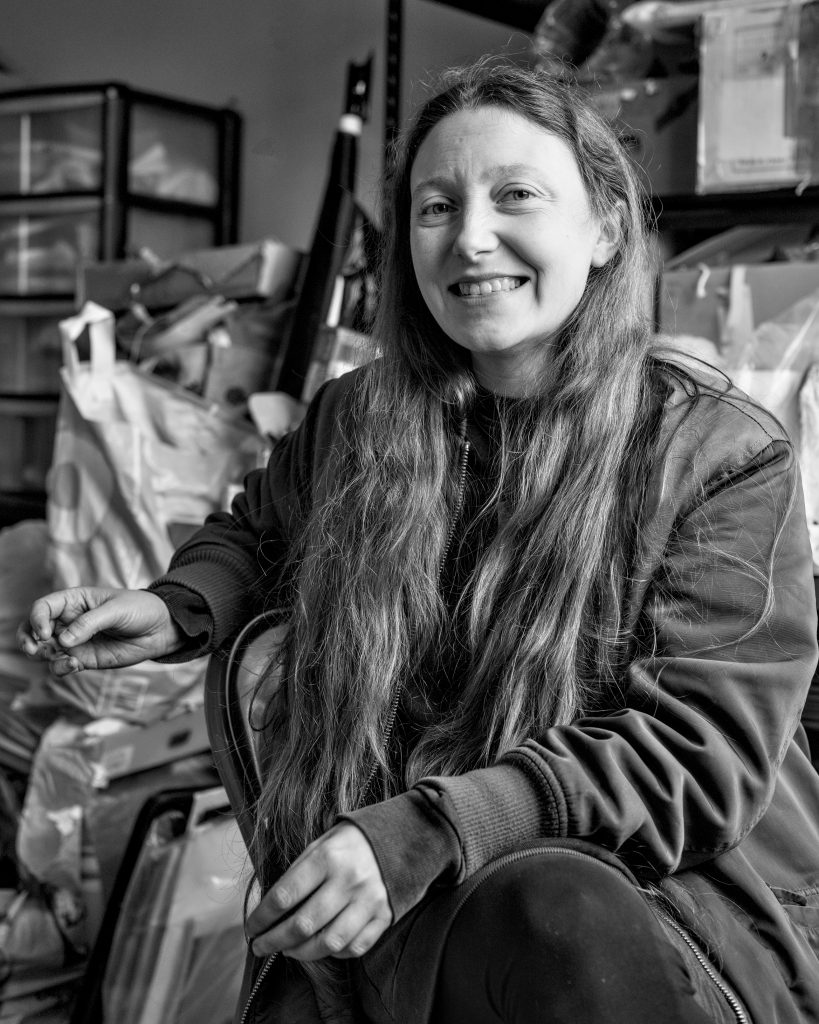
    Artist April Star Davis, Stoke. © Jerome Whittingham.

    Anarchy Is Her Birthright, a group exhibition curated by artist April Star Davis, brings together women and non-binary artists to explore ‘resistance, care, survival and feminist refusal, shaped by lived experience and place’.

    PODCAST: 8 minutes

    Presented at ACAVA Spode Works in Stoke, ‘Anarchy Is Her Birthright’ follows April’s residency at ACAVA, awarded as a prize after her success in the Three Counties Open Art exhibition at Burslem School of Art in 2024.

    “We are in a time, globally, when there are some extreme uses of power and force. Part of the job of an artist is to speak about that, and also to document it. In time people will want to know ‘what was this about?’ I can document from my perspective what I saw. What I saw wasn’t pretty, and it wasn’t beneficial.”

    April Star Davis – artist

    EXHIBITION: Anarchy Is Her Birthright

    PREVIEW: 5.30pm, Friday 20th February, ACAVA Spode Works, Stoke, Elenora Street, ST4 1QQ. All welcome.

    The exhibition then continues to 1st March.

    Instagram: @april_star_davis_

  • A Festival of Hands

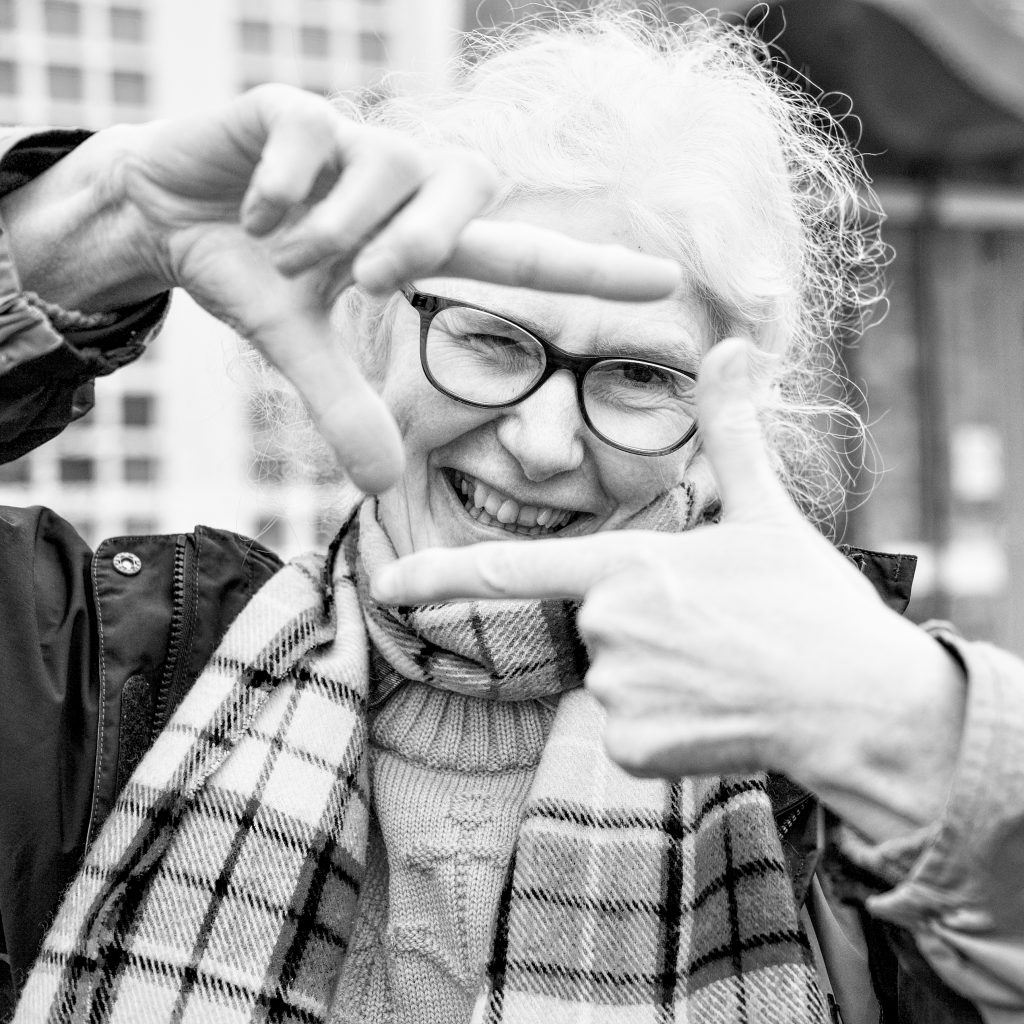
    Designer Megan Fitzoliver makes a frame for her face by placing her hands into a rectangular shape.
    Megan Fitzoliver, Stoke. © Jerome Whittingham.

    Designer and creative thinker Megan Fitzoliver is co-ordinating a celebration of North Staffordshire’s creative and caring individuals, groups, and industries.

    The inaugural Festival of Hands will take place across Stoke-on-Trent and beyond, 1st to 14th June 2026.

    PODCAST: 10 minutes

    We sat in Spode Rose Garden in Stoke, enjoying a coffee from the Bluebird cafe, chatting about the festival and its themes.

    Megan’s looking for expressions of interest from anyone that wants to get involved.

    “Let’s join hands, build on the centenary celebration foundations, and show the world what we can do together in this creative city.”

    Megan Fitzoliver

    Get in touch with Megan at:

    megan@festivalofhands.org.uk

    A website will be going live soon too.

  • On The Edge

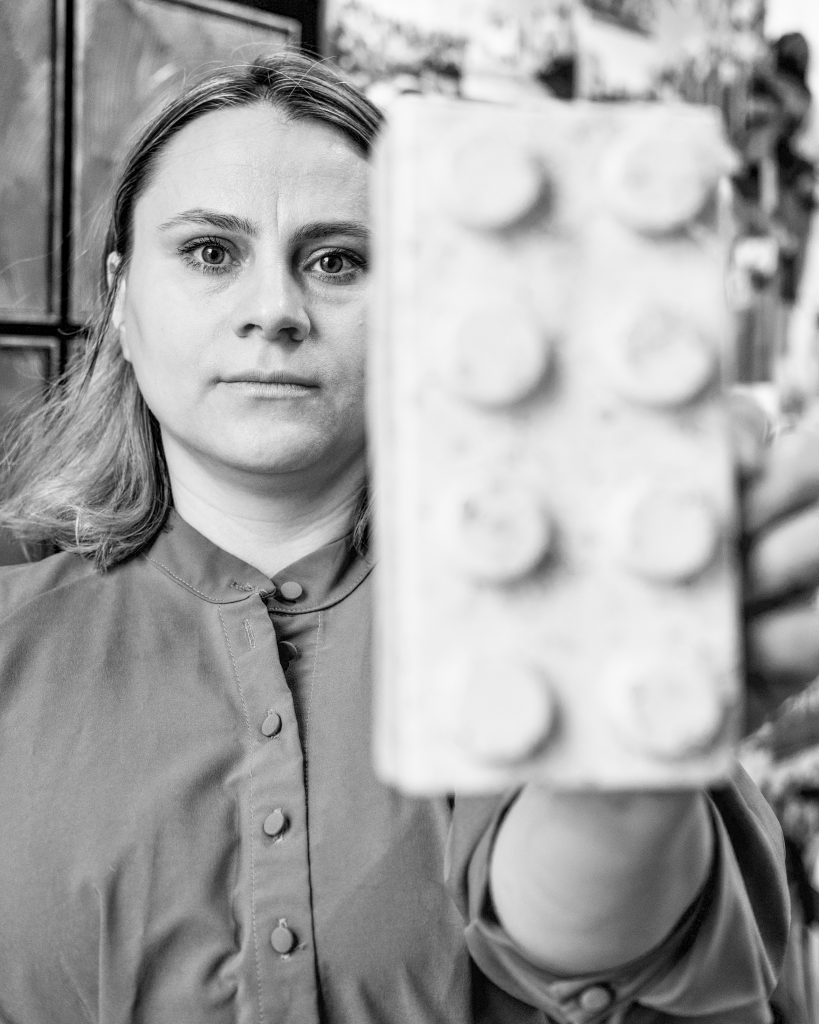
    Ukrainian Artist Yuliia Holovatiuk-Ungureanu holding a ceramic brick, from her exhibition On The Edge
    Artist Yuliia Holovatiuk-Ungureanu, Stoke-on-Trent. © Jerome Whittingham.

    I met Yuliia Holovatiuk-Ungureanu, one of two Ukrainian artists currently exhibiting ‘On The Edge’, at the University of Staffordshire in Stoke-on-Trent.

    PODCAST: 19 minutes

    Yuliia talks us through the themes of the exhibition, co-produced with fellow Ukrainian artist and friend Olha Barvynka.

    The exhibition explores ‘transformation in response to a world shaped by crisis.’

    One part of the mixed media exhibition, Yuliia’s ceramic bricks, have attracted unwelcome and upsetting attention from a small number of visitors to the Henrion Gallery space – a thoroughfare used by students and visitors to the university. Yuliia updates us about what has been happening.

    “Sometimes art is born not from nice feelings inside, sometimes art is born from pain. And from my experience, and actually it’s one of the reasons why I’m doing art, is that I feel pain. I feel so much pain inside, so many emotions, different feelings, that you can’t do anything else only express it somehow, and I express it through art.”

    Yuliia Holovatiuk-Ungureanu

    UPDATE: since recording yesterday morning, the artists’ exhibition in the Henrion Gallery at University of Staffordshire has suffered more vandalism, including the breaking of several of Yuliia’s ceramic bricks. We’ve welcomed both Ukrainian artists into our city to give them safety and a home. They’ve responded in gratitude by giving us incredibly poignant art, adding greatly to our local arts scene. It’s shocking to think that a small number of visitors to the gallery would act in such a vile way to our friends. I hope the police and university exercise their fullest powers in bringing the perpetrators to account.

    Instagram: @yuliia_art_uk_ua

  • A Bumblebee Challenge

    I set myself a deceptively simple challenge: to spend a single summer’s day photographing as many species of bumblebee as possible.

    What unfolded was less a straightforward wildlife hunt and more an eye-opening exploration of how our landscapes, natural and urban, shape the lives of pollinators.

    PODCAST: 30 minutes

    Starting in fields near woodland on a warm, calm morning, the early signs weren’t promising. Despite seemingly rich vegetation, there were almost no bees. The culprit quickly became clear: a lack of flowering plants. In a hot, dry summer, many species had already gone over, leaving little nectar behind.

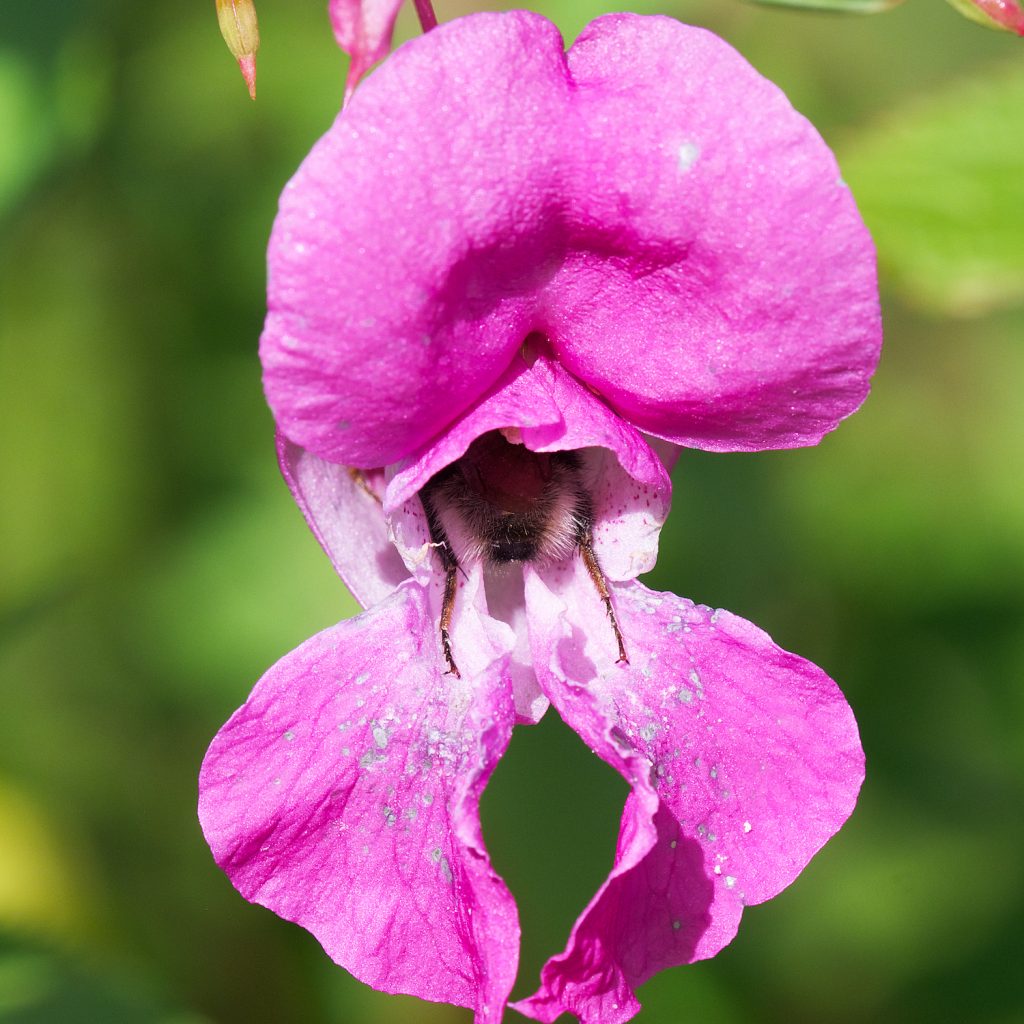
    The first real success came from an unlikely hero – Himalayan balsam. Invasive though it may be, it was buzzing with activity. Yet even here, photographing bees proved tricky, as they disappeared deep into the flowers.

    A bumblebee inserts itself into the flower of Himalayan Balsam.
    A bumblebee inserts itself into the flower of Himalayan Balsam. © Jerome Whittingham.

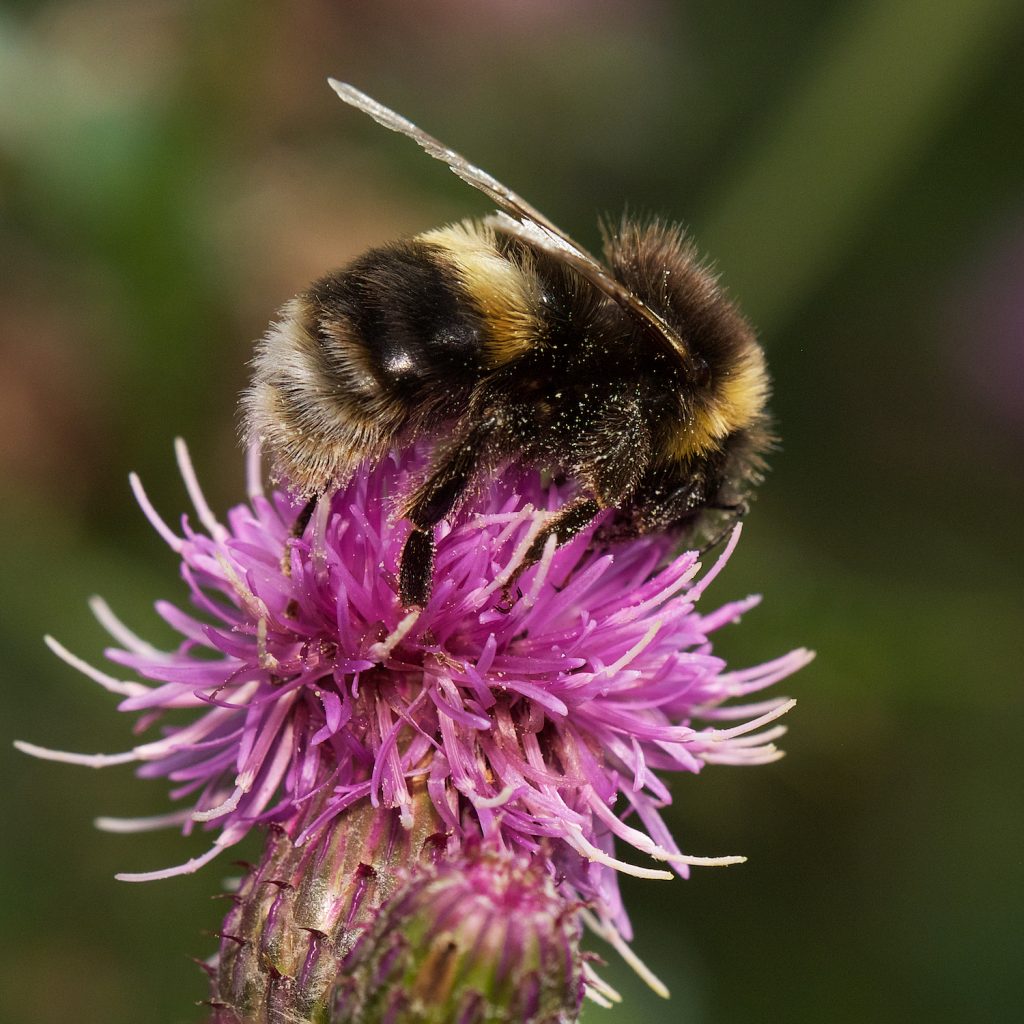
    Moving on to thistles brought better results, with more visible and varied bumblebees, reinforcing the importance of plant choice for both bees and photographers.

    A bumblebee on a thistle.
    A bumblebee on a thistle. © Jerome Whittingham.

    A visit to Silverdale Country Park revealed a surprising gap: vast natural spaces with very little in bloom. Despite their size and ecological intent, these areas offered limited resources for pollinators during dry conditions.

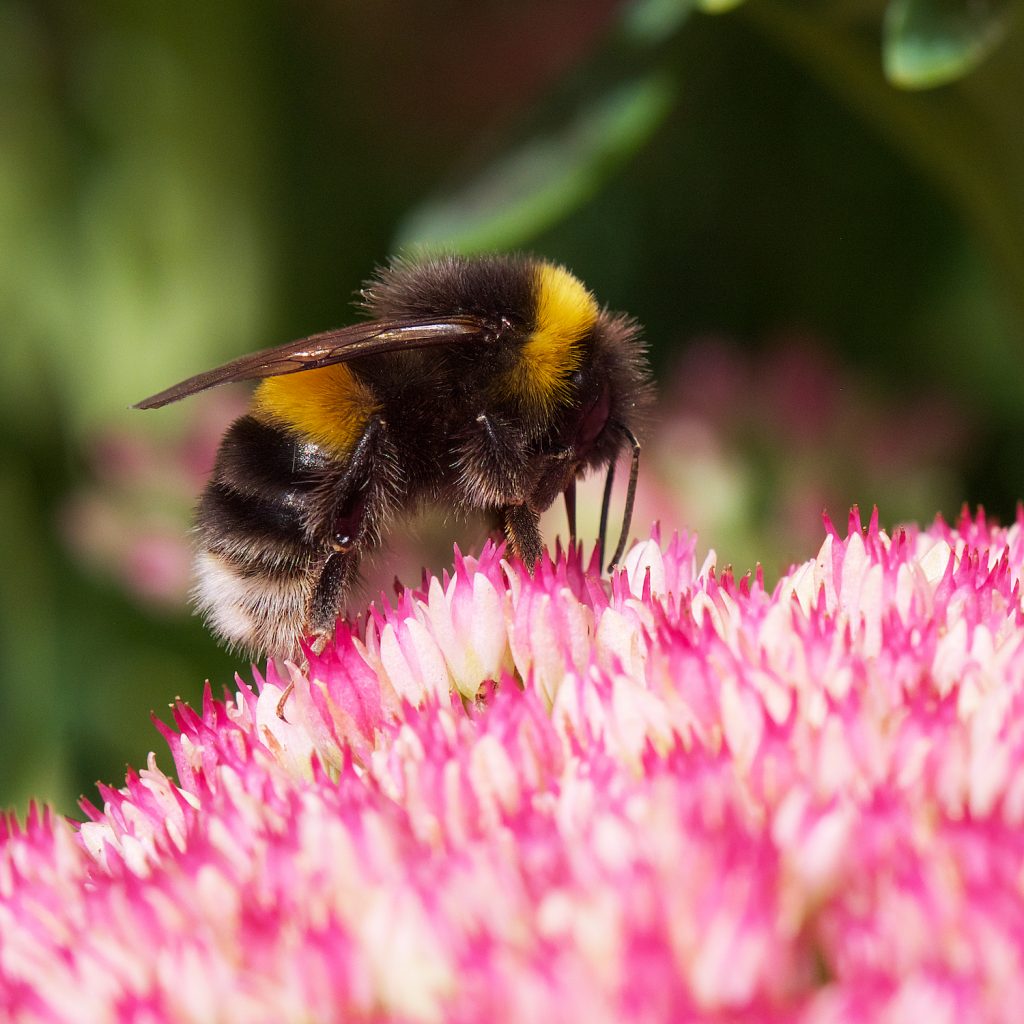
    Ironically, the most productive location came late in the day, in an urban roundabout. Municipal planting schemes, packed with nectar-rich flowers, attracted more bees in 20 minutes than hours in the countryside.

    A White Tailed bumblebee on sedum.
    A white tailed bumblebee on sedum, in a municipal flowerbed in a roundabout. © Jerome Whittingham.

    By day’s end, nearly 10 miles walked, I had captured around five species. More importantly, I’d uncovered a key lesson: thoughtful planting, even in small urban spaces, can make a significant difference.

    Supporting pollinators isn’t just about preserving wild areas, it’s about planting smarter, mowing less, and creating habitats that truly provide.

    Jerome

  • The Birdman

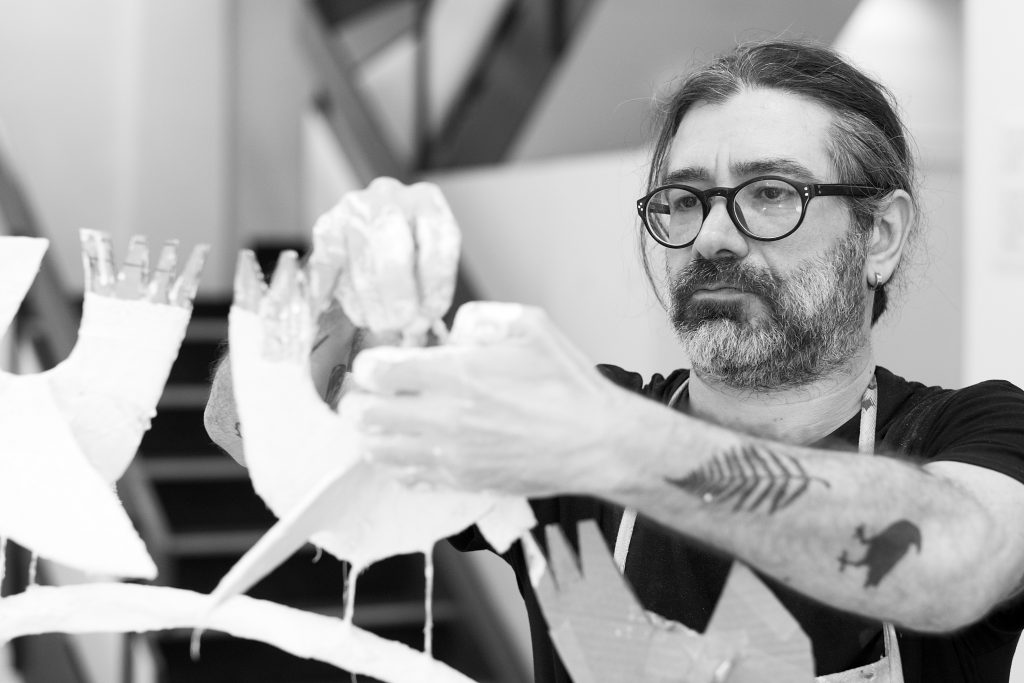
    artist Semaan Khawam
    Artist Semaan Khawam. © Jerome Whittingham.

    PODCAST: 12 minutes

    “My nickname is Birdman. So, I use birds in all of my work. For me, birds can travel the world without thinking of borders, you know? Something I don’t have the luxury of.” Semaan Khawam.

    Semaan Khawam is artist-in-residence at Allison Lochhead’s ‘Art for Peace’ exhibition, showing at Appetite’s Astley Walk arts space in Newcastle-under-Lyme.

    Allison Lochhead’s artwork presents discarded shoes cast in iron, books burned,  and columns of rubble stacked high, they tell a story of war and migration as well as the destruction of cultures and histories.

    Born in Syria, Semaan tells me he’s seen a lot of death and destruction in his own country too. His family fled Syria in the 1980s, settling in Beirut, Lebanon.

    “I’m a refugee in a sense,” said Semaan, “but not when I leave the Middle East. I feel I’m more of a refugee in the Middle East. Not in Europe, I feel like here it’s more like a home to me.”

    Unable to return home to Syria, art is Semaan’s passport to places he’s found more welcoming.

    “I work with garbage. I up-cycle and recycle, because also there’s a big garbage crisis around the world, garbage in the literal sense and in the philosophical sense. In every sense, there’s a lot of garbage we’re surrounded by, garbage ideas, garbage practice.

    “The world is not a safe place right now. It feels like a dump. There’s a lot of hate and a lot of garbage! So I try to take it all, put it all together, and turn it into something peaceful, an art piece.”

    Semaan tells he finds the freedom of birds alluring and inspiring. Birds feature extensively in his artwork.

    “When birds migrate, they don’t leave a country behind, they don’t leave home, they can always come back. I like that, that idea. Wherever I leave a sculpture around the world, I feel like it’s a nest for me, where I can come back and visit. I don’t want to stay. I don’t want to become rooted. I’d rather be free, like the birds.”

    As we talked, Semaan was working on an elaborate sculpture made of wires and plaster, and yes, garbage too. The piece featured a human torso, arms raised high, and a branch full of birds, doves.

    “This piece is called The Flying Instrument of the Mind,” said Semaan.

    “Sometimes you feel so heavy, with your head, and the restrictions, and the way life has been treating you. So maybe this instrument can help you fly. You know, if I can harness the power of these birds.”

    We agreed, many people needs wings to lift them higher.

    Jerome Whittingham