
Category: Nature

  • Want to collaborate?

    A collage of red icons representing various digital media services including photography and podcast production

    There’s a common question I get asked: what exactly do you do?

    The honest answer is… a few things. I’m a documentary photographer. I host and produce podcasts. I write.

    But the real answer is that I bring these together to tell fuller, more human stories.

    Because one medium on its own can only go so far.

    – A photograph can stop you in your tracks.
    – A conversation can reveal what sits beneath the surface.
    – Well-crafted words can give context, clarity, and lasting meaning.

    When these come together, something more powerful happens, stories that feel authentic, layered, and genuinely reflective of the people and communities at their heart.

    Much of my work has been alongside charities, community organisations, and purpose-driven projects. The aim is always the same: to represent people honestly, with care and respect, and to create media that doesn’t just look good, but actually connects.

    That might mean documenting a project over time, producing a podcast that gives people a voice, or creating written pieces that help audiences understand why the work matters.

    I’m particularly interested in collaborations where there’s a story worth telling, especially those rooted in community, culture, or positive change.

    If you’re part of an organisation, business, or project and you think there might be something we could create together, I’d genuinely love to hear from you. No hard sell. Just a conversation to see what’s possible.

    Jerome

    Get in touch anytime: hello@jeromew.news
    PODCAST UPDATE: 2 minutes

  • Skunk Cabbage

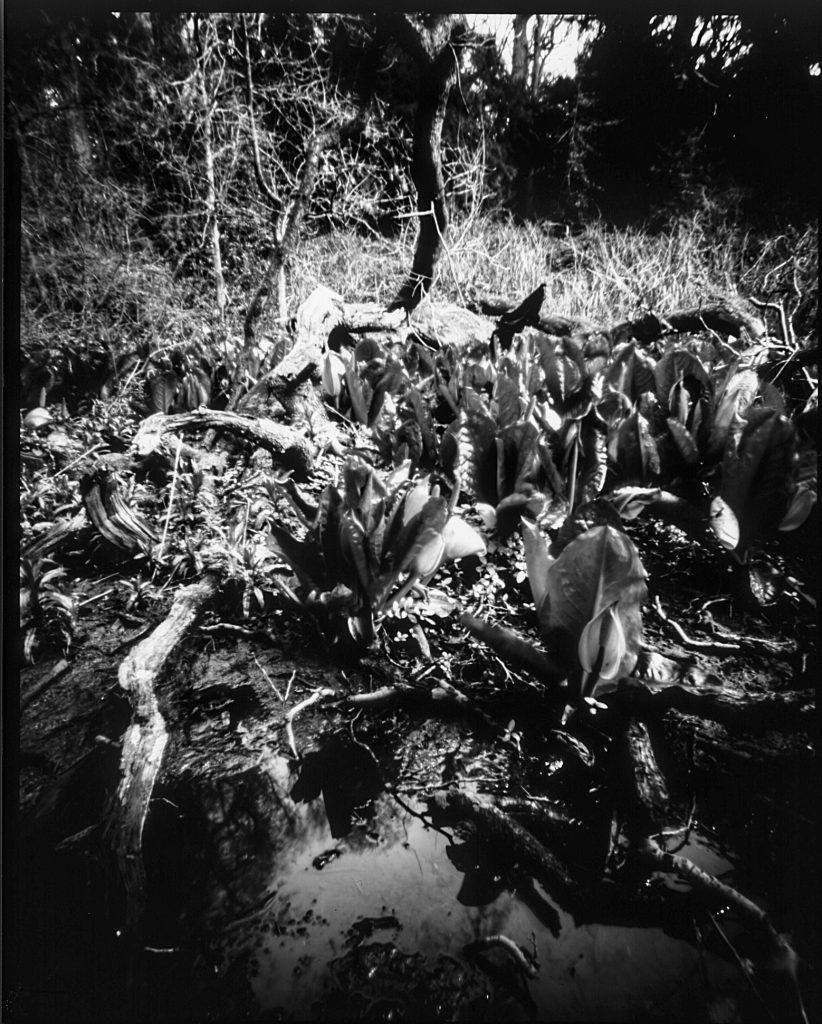
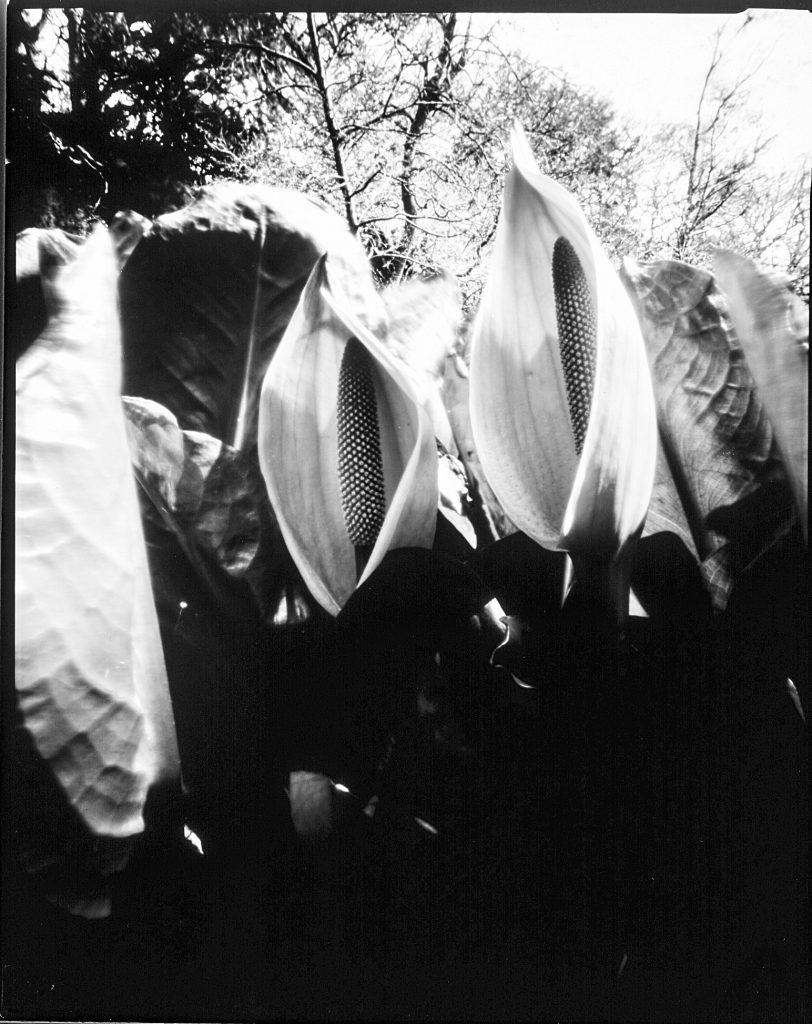
    Skunk cabbage flowers, pinhole photograph from paper negative.
    Skunk cabbage, Keele. © 2026 Jerome Whittingham. Pinhole photograph from 5×4 paper negative.

    “Skunk cabbage!” shouted a passer by as I stood in the mud at the edge of a pond.

    ‘Bit rude,’ I thought.

    But then I googled it, and he was dead right – about the plant.

    American skunk cabbage, Symplocarpus foetidus, is an invasive non-native species of plant. It’s been banned for sale in the UK, not because of its smell (it stinks of skunks, apparently), but because it bullies and defeats our own wetland flora.

    skunk cabbage plants in a pond, pinhole photograph from paper negative
    Skunk cabbage, Keele University estate. Pinhole photograph from 5×4 paper negative. © 2026 Jerome Whittingham.

    Photographed here in the grounds of @keeleuniversity, I quite like its sculpted exotic looks.

    Worth getting muddy for, but I hope the grounds staff at Keele University are keeping the plant under control. Yeah?

  • PINHOLE: Pond, Hartshill Nature Reserve

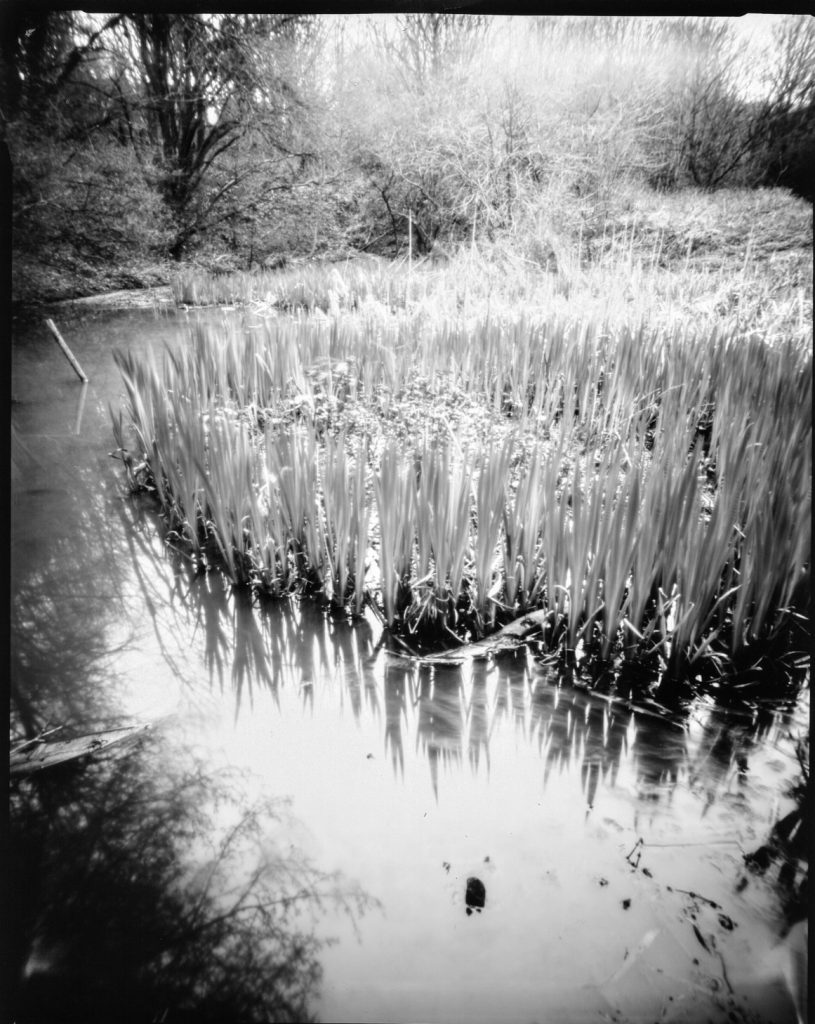
    Pond, Hartshill Nature Reserve. Pinhole photograph from paper negative. © 2026 Jerome Whittingham.

    Very light rain and gusts of wind, but the little pond in Hartshill Community Nature Reserve was sheltered enough for this 20 minute exposure.

    Great to have this long thin strip of woodland at the end of my street.

    This year I’m beginning a series of pinhole photographs on the theme ‘Creation’. I’m off the starting line…

    Jerome

  • There’s beauty in not trying too hard

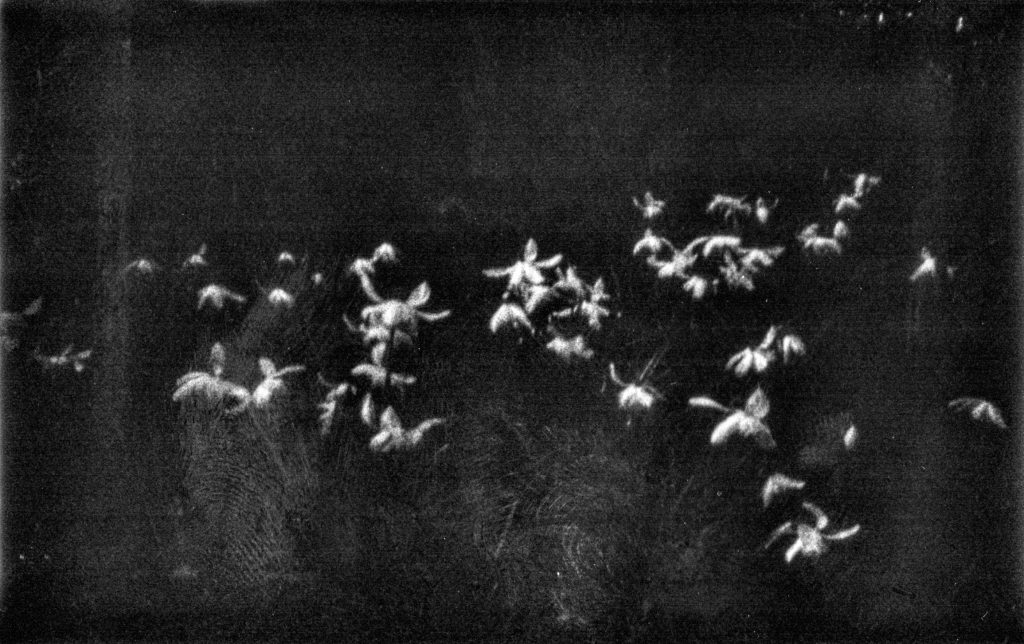
    Snowdrops, Stoke, pinhole photograph. © Jerome Whittingham.

    If you’re a photo artist in pursuit of perfection, then pinhole photography can be a lesson in how to ruin your day. It can be an extremely frustrating way of creating a photograph.

    PODCAST: 2 minutes

    Inspired by my conversation with artist Amy Davis last week, who encourages us to embrace the wonky and imperfect in our art, I enjoyed an energising couple of hours in today’s early spring sunlight, capturing this flutter of snowdrops.

    Pinhole photography removes the opportunity for the photographer to overthink the image-making process. No lens, no precision shutter, just a piece of light sensitive paper in a light-tight box, and plenty of guesswork. It’s an invitation to abandon your skills to the elements, to kick back and enjoy the creative moment.

    Sure, experience and knowledge as a photographer play a part, but ultimately you have to accept the image you’re given, and like it or not.

    Today, I like it.

    There’s beauty in not trying too hard.

    Jerome

  • Wintering at Westport

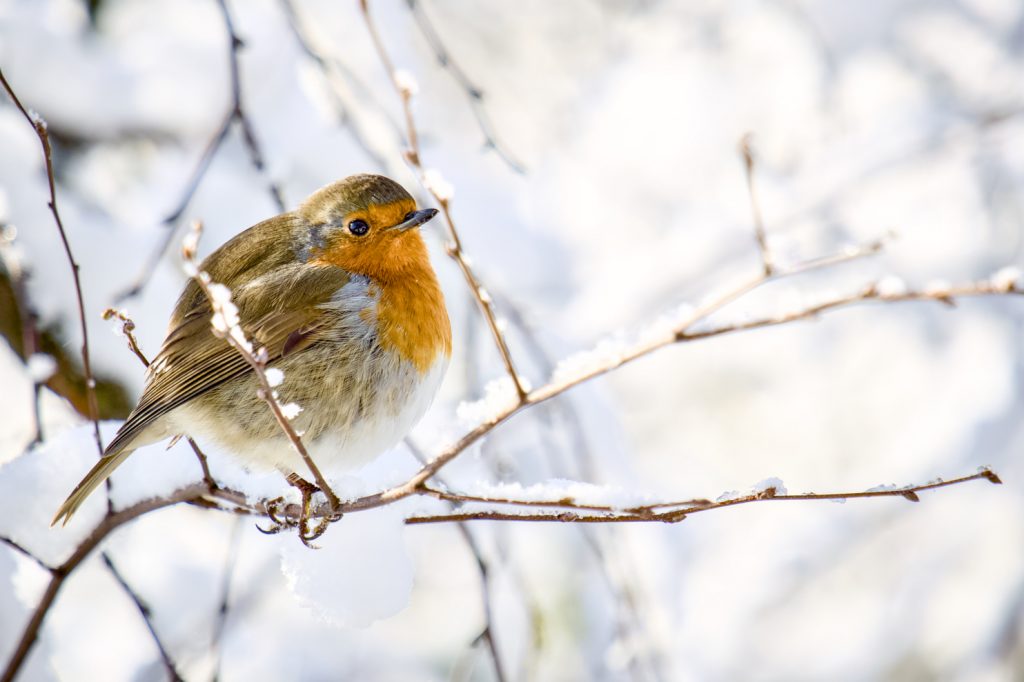
    a robin sits on s snow covered branch in a tree in winter, Westport Lake.
    Robin, Westport Lake, Stoke-on-Trent. © Jerome Whittingham.

    My options were either to stay at home and do some admin and housework, or head out into the first snow of 2026 with my camera.

    I chose the latter.

    The buses were running OK, so I hopped on the 98 up to Westport Lake to see how the birds were faring.

    Picturesquely!

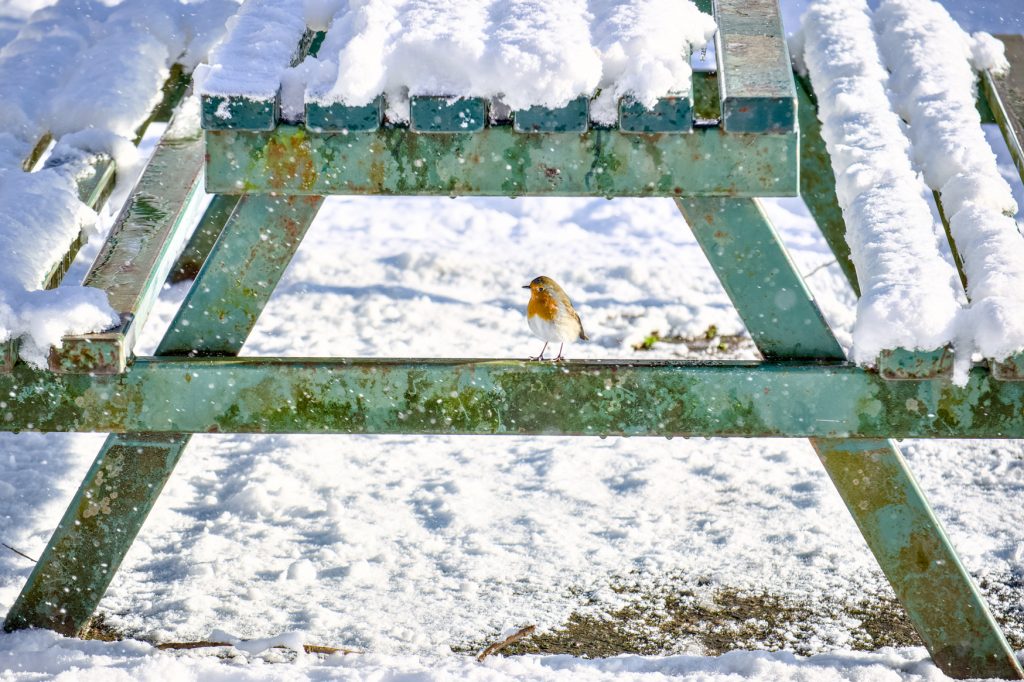
    a robin sits in the frame of a picnic bench, Westport Lake.
    Robin, Westport Lake, Stoke-on-Trent. © Jerome Whittingham.
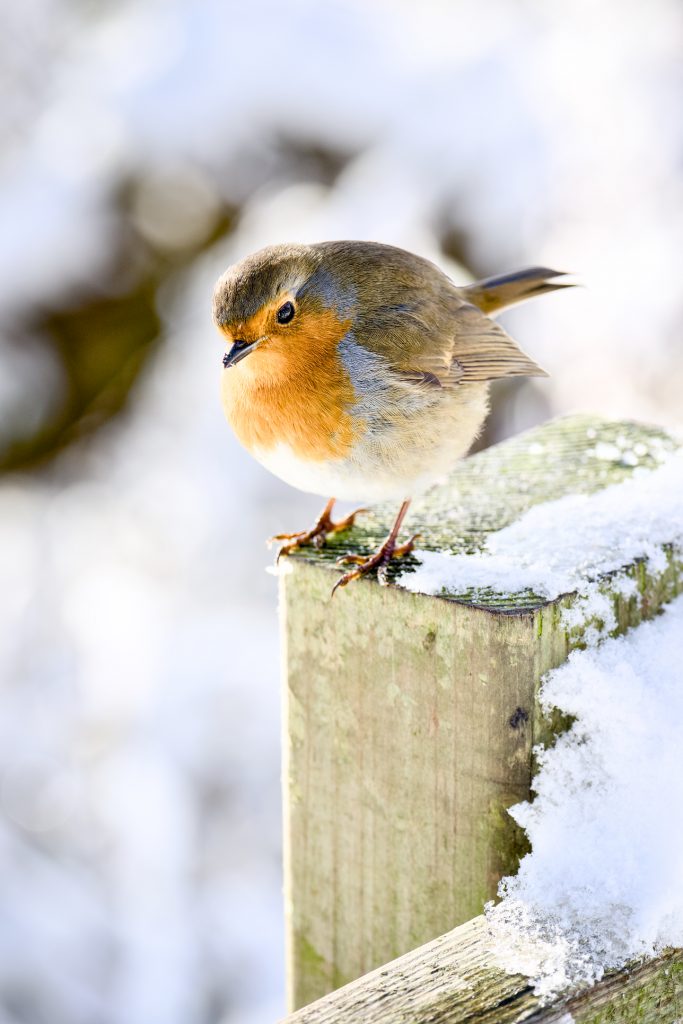
    a robin perched on a fence post, Westport Lake.
    Robin, Westport Lake, Stoke-on-Trent. © Jerome Whittingham.
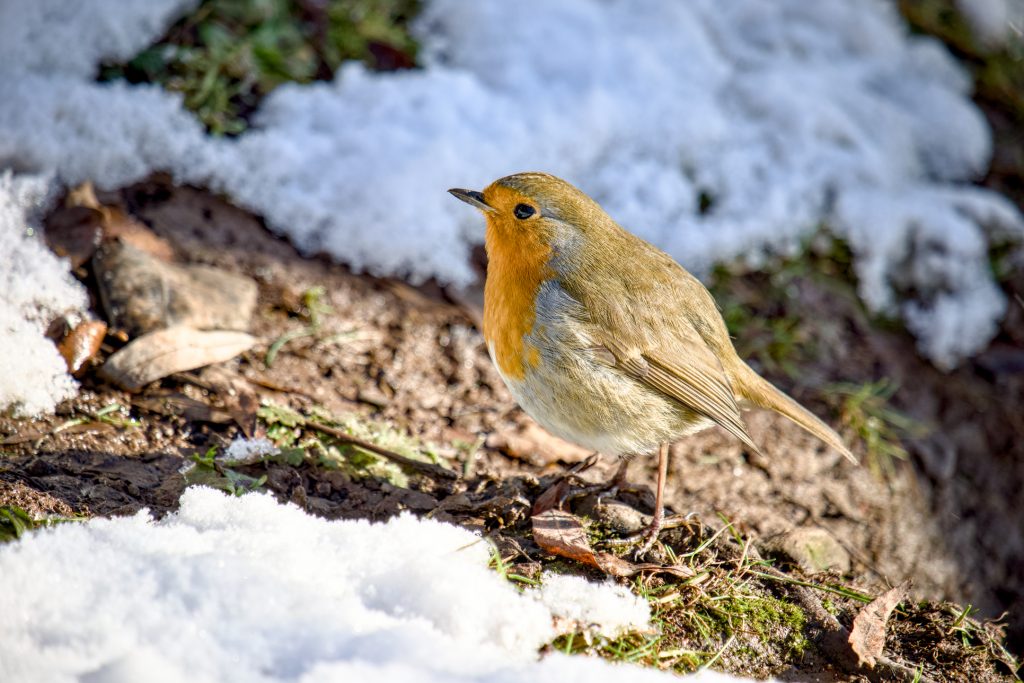
    a robin on snow covered ground, Westport Lake.
    Robin, Westport Lake, Stoke-on-Trent. © Jerome Whittingham.
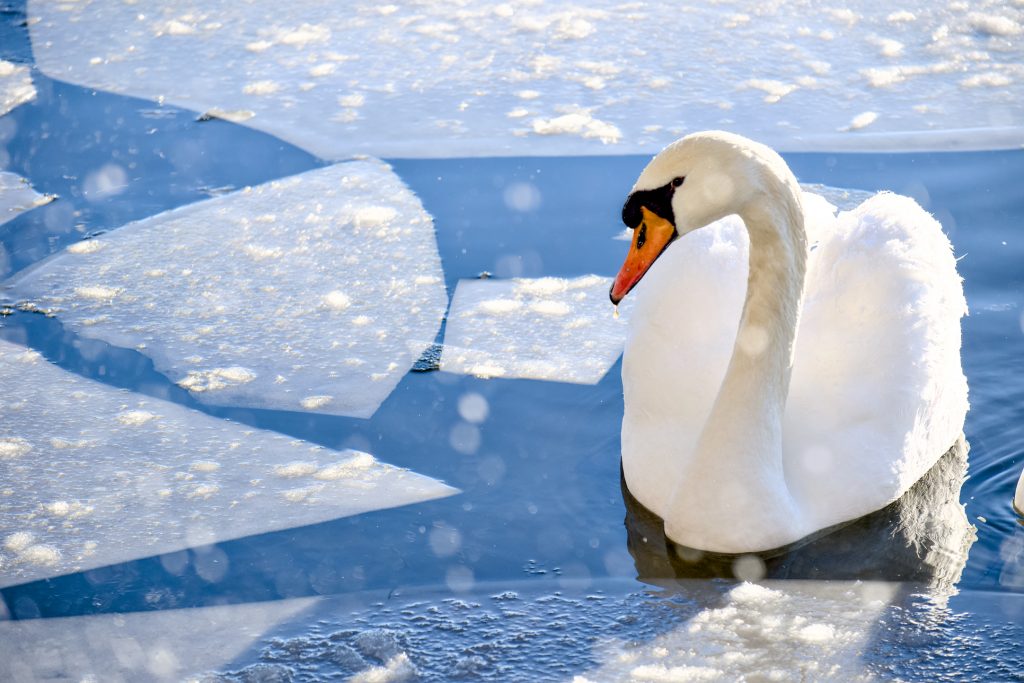
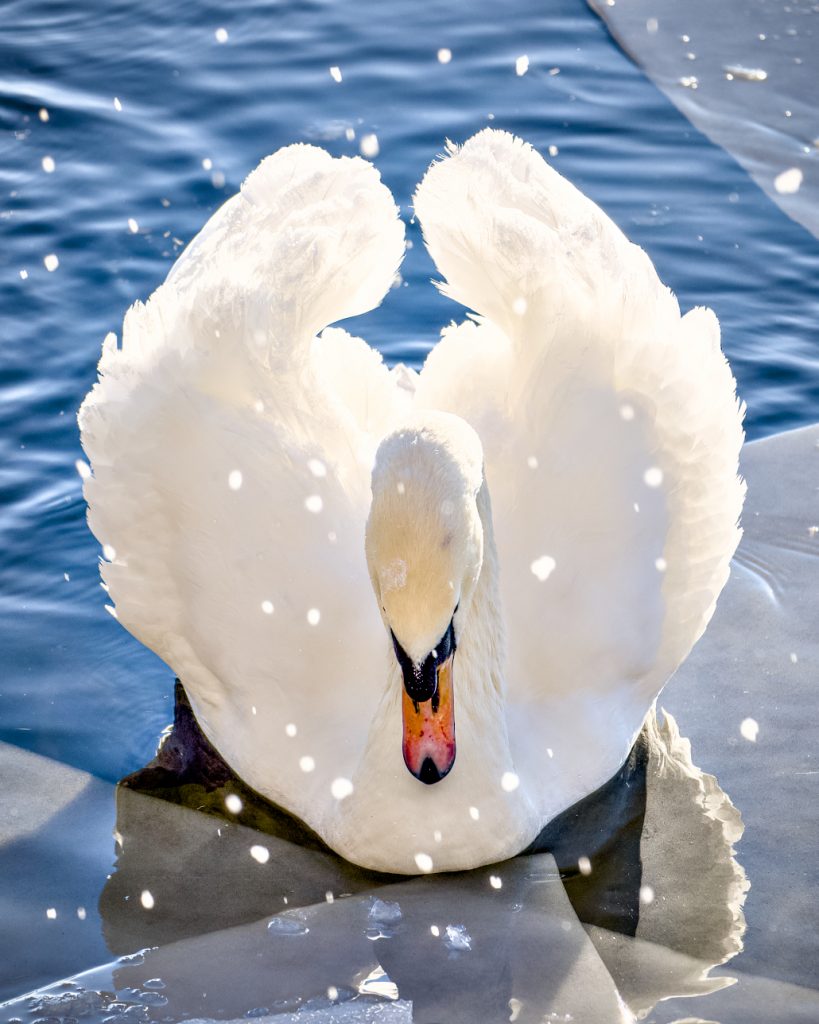
    Swan swimming through icy water at Westport Lake, Stoke-on-Trent.
    Swan, Westport Lake, Stoke-on-Trent. © Jerome Whittingham.
    portrait of a swan swimming on icy water, Westport Lake.
    Swan, Westport Lake, Stoke-on-Trent. © Jerome Whittingham.
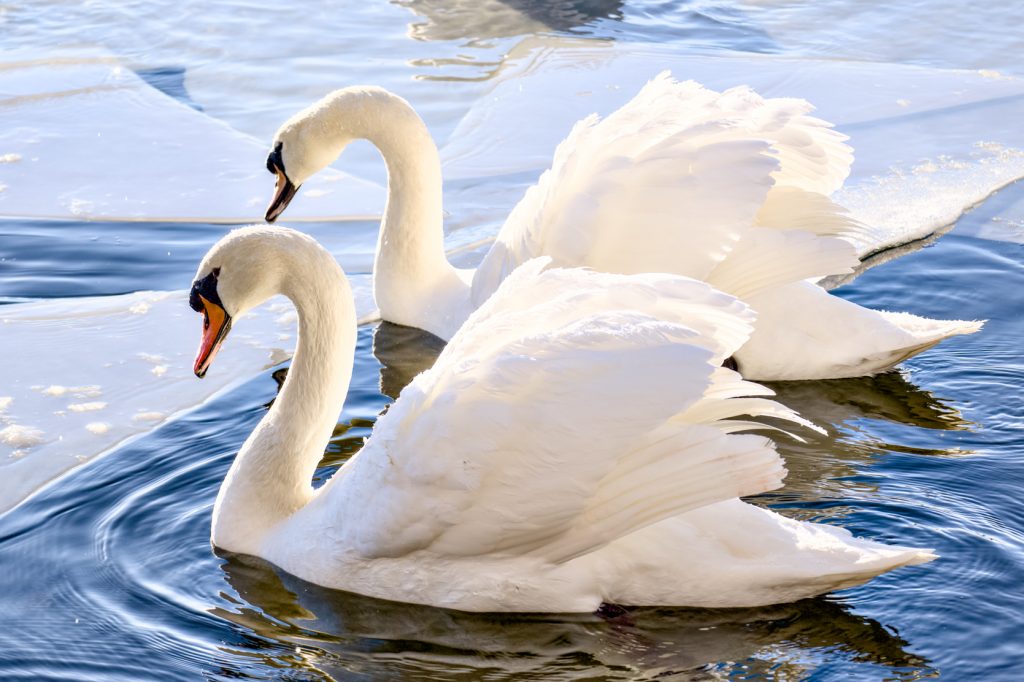
    a pair of mute swans swim through icy water, Westport Lake.
    Swans, Westport Lake, Stoke-on-Trent. © Jerome Whittingham.
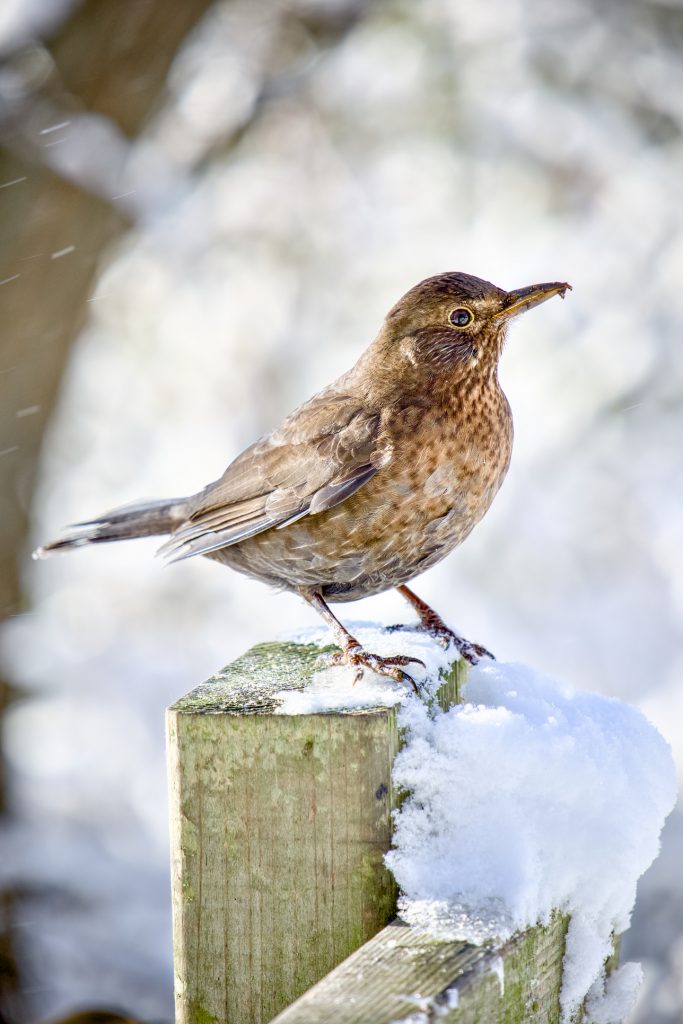
    a blackbird sits on a fence post covered in snow, Westport Lake.
    Blackbird, Westport Lake, Stoke-on-Trent. © Jerome Whittingham.
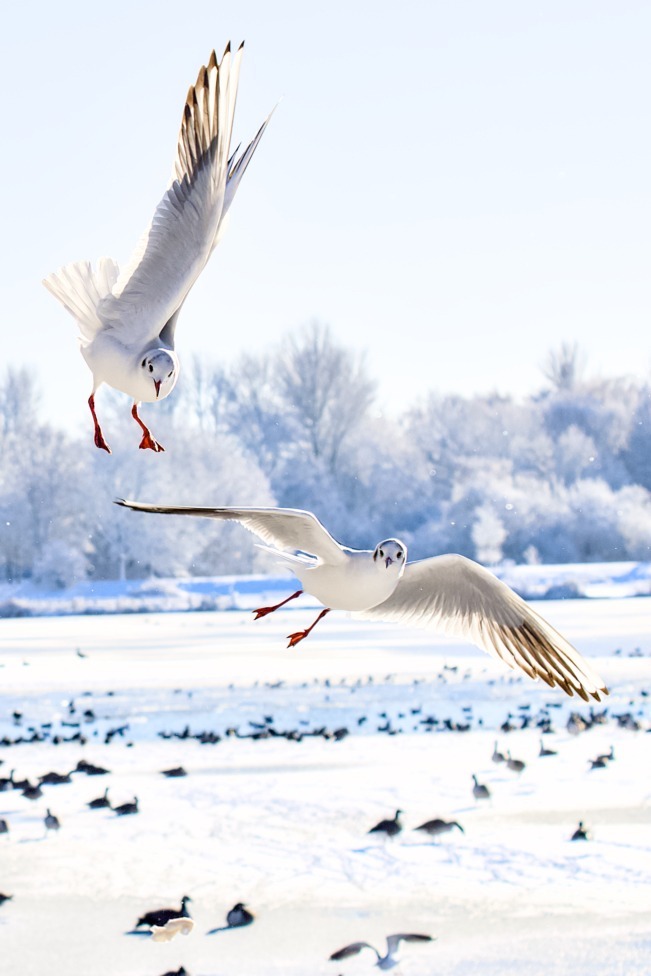
    Black headed gulls fly over an icy Westport Lake.
    Black Headed Gulls, Westport Lake, Stoke-on-Trent. © Jerome Whittingham.

    Hopefully this is just the first of the snow this winter!

    Jerome

  • Jewels

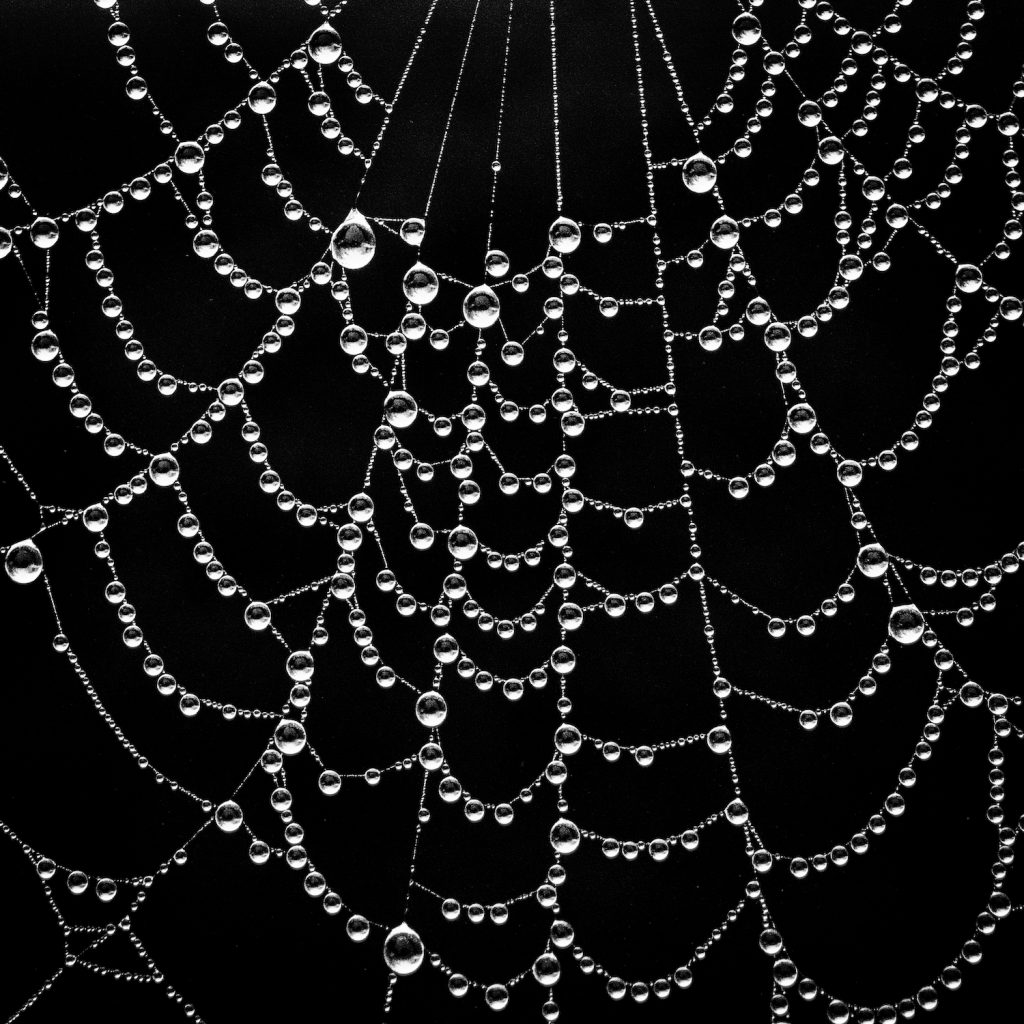
    A delicate necklace of mist drops on a spider's web
    Stoke cemetery, Hartshill, Stoke-on-Trent. © Jerome Whittingham.

    A delicate necklace of jewels of mist hang on a spider’s web.

  • A Bumblebee Challenge

    I set myself a deceptively simple challenge: to spend a single summer’s day photographing as many species of bumblebee as possible.

    What unfolded was less a straightforward wildlife hunt and more an eye-opening exploration of how our landscapes, natural and urban, shape the lives of pollinators.

    PODCAST: 30 minutes

    Starting in fields near woodland on a warm, calm morning, the early signs weren’t promising. Despite seemingly rich vegetation, there were almost no bees. The culprit quickly became clear: a lack of flowering plants. In a hot, dry summer, many species had already gone over, leaving little nectar behind.

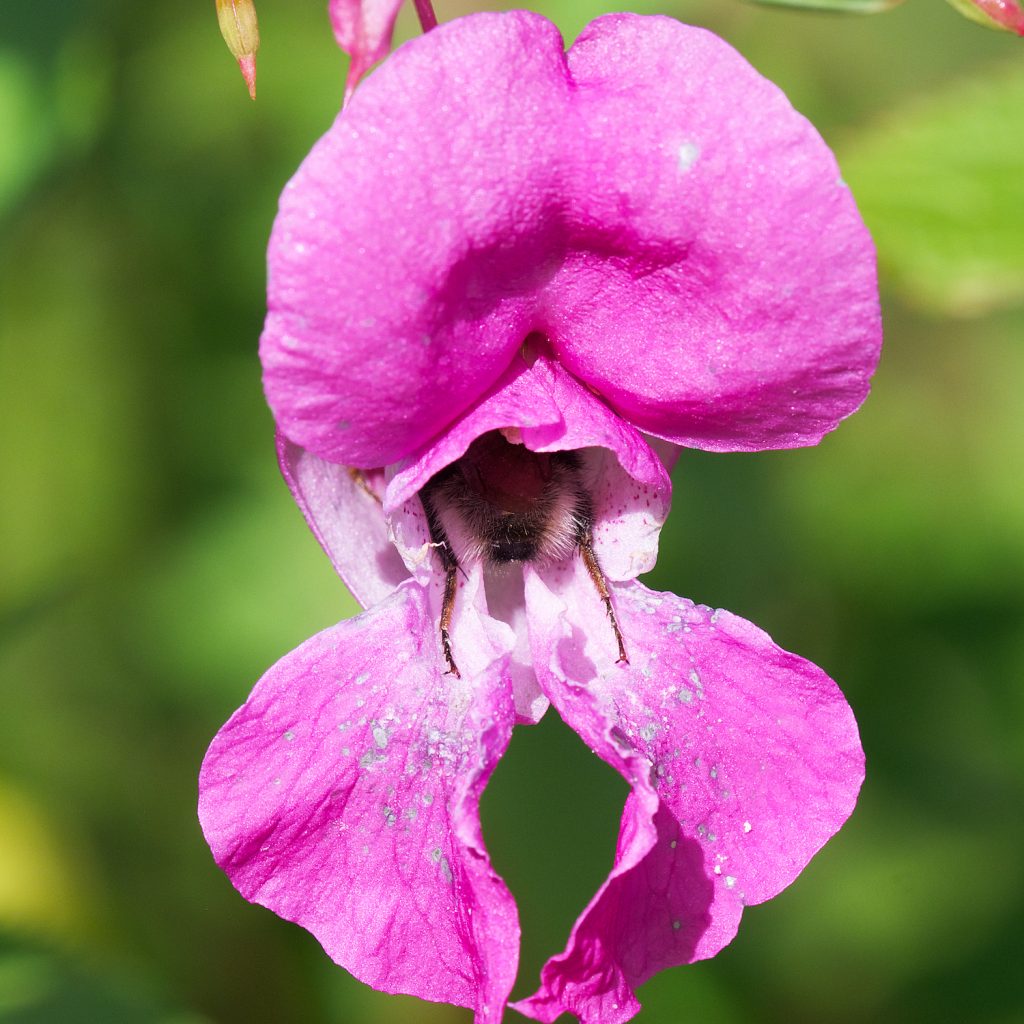
    The first real success came from an unlikely hero – Himalayan balsam. Invasive though it may be, it was buzzing with activity. Yet even here, photographing bees proved tricky, as they disappeared deep into the flowers.

    A bumblebee inserts itself into the flower of Himalayan Balsam.
    A bumblebee inserts itself into the flower of Himalayan Balsam. © Jerome Whittingham.

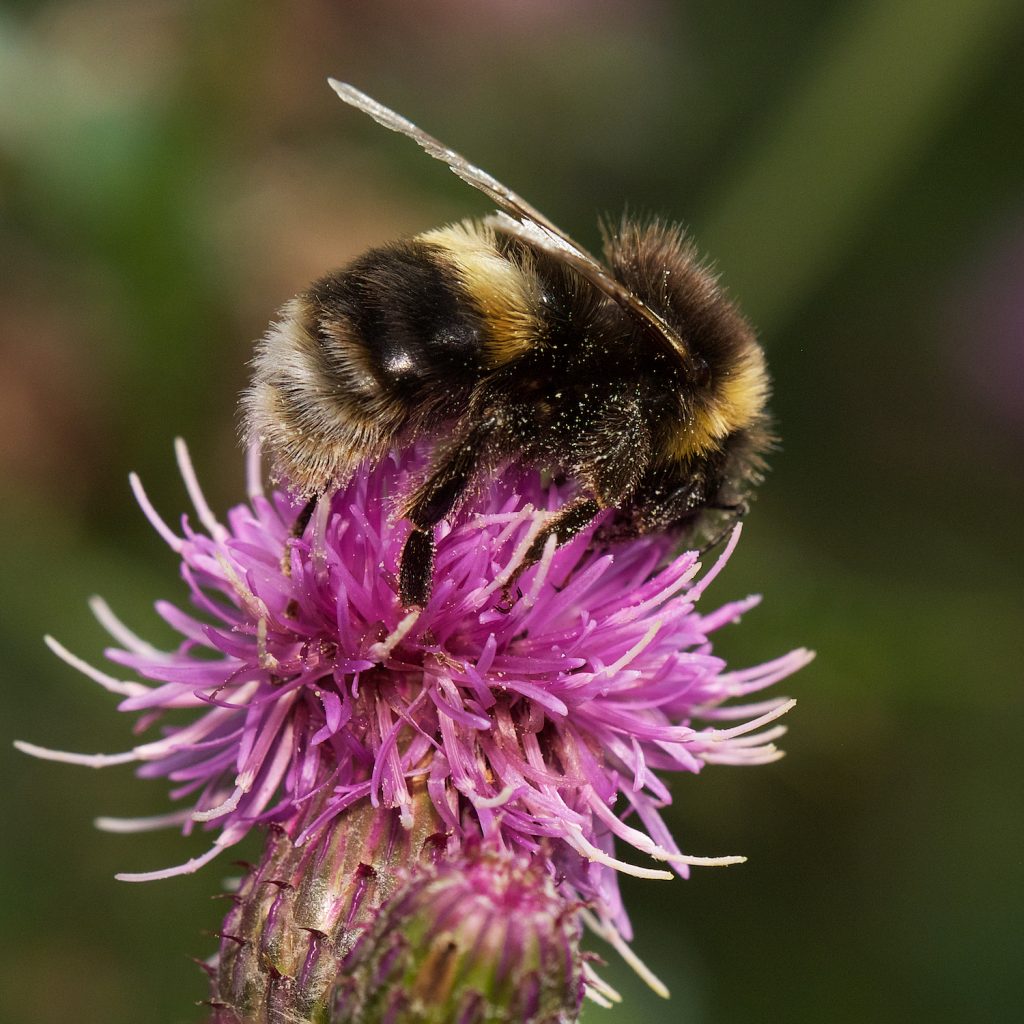
    Moving on to thistles brought better results, with more visible and varied bumblebees, reinforcing the importance of plant choice for both bees and photographers.

    A bumblebee on a thistle.
    A bumblebee on a thistle. © Jerome Whittingham.

    A visit to Silverdale Country Park revealed a surprising gap: vast natural spaces with very little in bloom. Despite their size and ecological intent, these areas offered limited resources for pollinators during dry conditions.

    Ironically, the most productive location came late in the day, in an urban roundabout. Municipal planting schemes, packed with nectar-rich flowers, attracted more bees in 20 minutes than hours in the countryside.

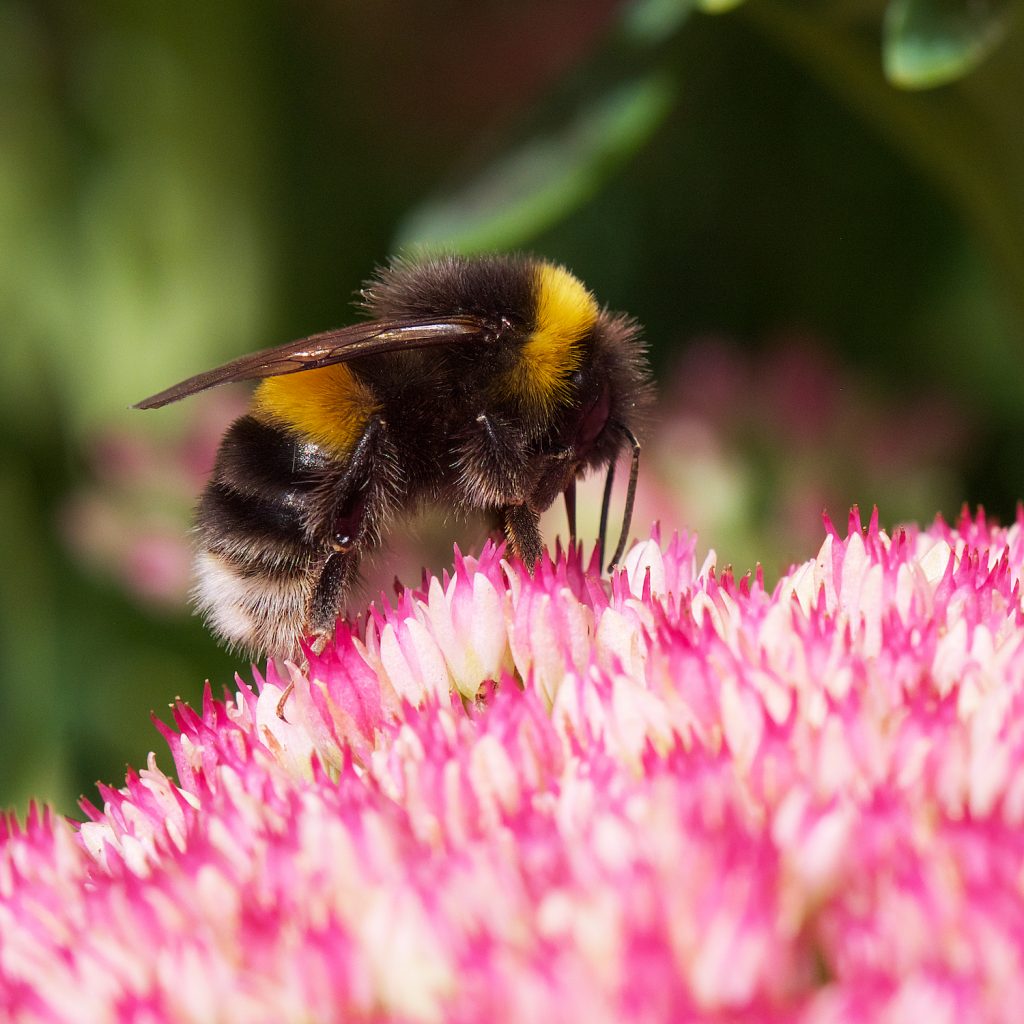
    A White Tailed bumblebee on sedum.
    A white tailed bumblebee on sedum, in a municipal flowerbed in a roundabout. © Jerome Whittingham.

    By day’s end, nearly 10 miles walked, I had captured around five species. More importantly, I’d uncovered a key lesson: thoughtful planting, even in small urban spaces, can make a significant difference.

    Supporting pollinators isn’t just about preserving wild areas, it’s about planting smarter, mowing less, and creating habitats that truly provide.

    Jerome

  • Put Nature back into everything you do, says YWT Andy Gibson

    I’ve been to a couple of meetings recently, scrutinising Hull’s ‘net zero carbon’ ambitions. At each of the meetings there’s been a chap who’s challenged us to think about how we should put nature back into everything we do.

    That man is Andrew Gibson. He works for Yorkshire Wildlife Trust, he’s one of their conservation officers.

    I wanted to know more about what Andrew means by this phrase ‘put nature back into everything we do’. So I took him up on his offer of a drive around the city to look at some examples of what he means.

    We met at Andrew’s office in the Trust’s wildlife garden in the corner of Pearson Park. It was a miserably wet day in late November, so you’ll hear the rain splashing on the mic at times.

    I began by asking Andrew what sort of environments we’d be looking at…

    PODCAST: 28 minutes